
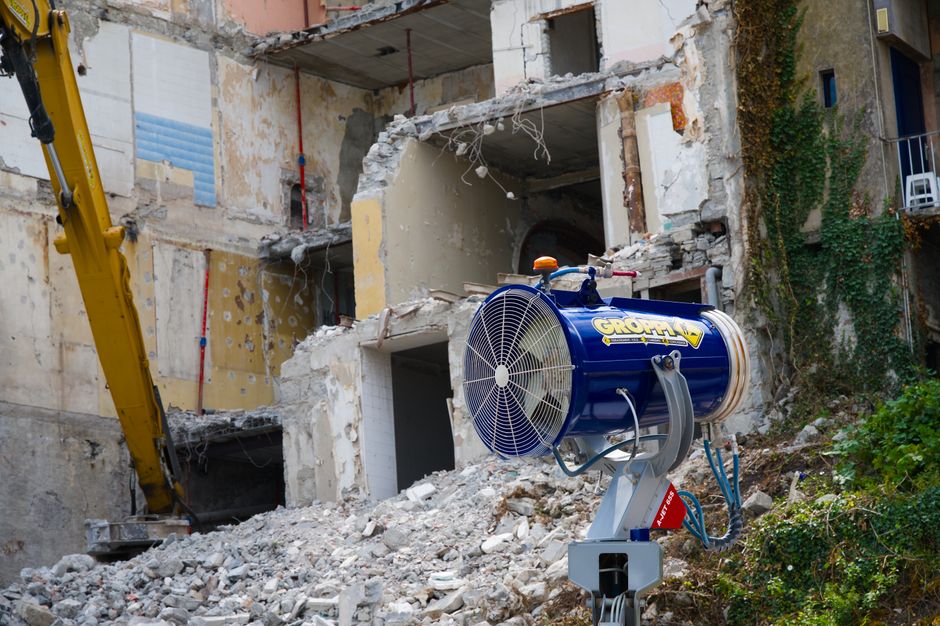
Bathroom demolition is the process of stripping out old fixtures, tiles, flooring, and walls to prepare your space for a full renovation. It's messier and more involved than it sounds, but understanding what goes into the job helps you plan your timeline and budget.
If you're planning a bathroom remodel, the demolition phase is where everything starts. The goal is to remove everything you don't want to keep, haul it away, and leave your space ready for the contractors to build back up.
What Bathroom Demolition Actually Includes
Bathroom demolition isn't just ripping things out. It's a methodical process that typically covers:
- Removal of vanities and cabinets
- Tub or shower enclosure tearout
- Tile removal from walls and floors
- Flooring removal down to the subfloor
- Plumbing rough-in removal (old pipes and connections)
- Drywall or plaster removal if needed for wall prep
- Lighting fixtures and mirrors
- Debris hauling and site cleanup
The scope can vary depending on your project. Some jobs only need fixture removal, while others require stripping the entire space down to the studs. Talk to your contractor about exactly what stays and what goes before work begins.
Dust Control and Containment Matter
One thing people don't always expect is how much dust a bathroom demolition creates. Tile, drywall, and old materials break apart into fine particles that spread fast.
Related: Residential Junk Removal: What to Expect & How to Prepare
Related: Junk Pickup: How to Schedule & What to Expect
Related: Bathroom Demolition Contractors: What to Know Before Hiring
Professional demolition crews use dust barriers to contain the mess. These are plastic sheeting and tape systems that isolate the work area from the rest of your home. This protects your other rooms, reduces cleanup later, and keeps dust out of your HVAC system.
If you're hiring someone to do this work, ask if they include dust control in their standard service. It's worth the investment.
Plumbing and Rough-In Prep
Your bathroom demolition may include removing rough-in plumbing. This is the network of pipes behind the walls and under the floor that supply water and drain waste.
Demolition contractors typically remove old pipes and connections as part of stripping the space. The new plumber will then run fresh lines during the rebuild phase. Make sure your demolition contractor and your new plumber are coordinating on what gets removed and what stays temporarily.
If you're unsure about plumbing scope, have the demolition crew take photos before and after so you know exactly what was removed and where.
How to Prepare Your Home for Demolition

Before the crew shows up, do a few things to protect your space and speed up the process:
- Clear the bathroom and adjacent areas of personal items and decorations
- Move any furniture or items you want to keep far away from the work zone
- Shut doors to other rooms to contain dust
- Let the crew know if there are items in the bathroom you want to salvage
- Plan for temporary bathroom access elsewhere in your home
- Protect your flooring in hallways and stairways leading to the bathroom
Also, ask your contractor about how long the demolition will take. Most bathroom demolitions take anywhere from one to three days depending on the size and complexity.
When to Hire Professionals vs. DIY
Demolition looks straightforward, but there are real reasons to hire someone:
- Asbestos and lead paint may be present in older homes (requiring certified removal)
- Plumbing and electrical connections need careful handling to avoid damage
- Debris is heavy and awkward to haul yourself
- Improper demolition can cause water damage or structural issues
- Professional crews work fast and clean up after themselves
If your bathroom was built before the 1980s, have it tested for hazardous materials before anyone starts swinging a sledgehammer.
Debris Removal and Hauling
Once everything is demo'd, you're left with piles of broken tile, drywall, old fixtures, and other debris. This is where a junk removal service comes in handy.
Materials like tile, porcelain, drywall, and old flooring are heavy and bulky. Rather than making multiple trips to the landfill yourself, Pack-Haul can haul away all your demolition debris in one go. It's faster, easier, and you don't have to rent a dumpster or worry about disposal.
Like what you read?
Contact Us →
Some contractors include hauling in their demo price. Others charge separately. Either way, having a plan for debris removal before the crew starts prevents the material from sitting in your driveway for days.
Getting a Free Quote

Most bathroom demolition services offer free estimates before they start work. This gives you a chance to discuss scope, timeline, and cost without any obligation.
When you contact a contractor, describe your bathroom size, what you want removed, and when you need the work done. Be specific about fixtures and materials if you know them. This helps them give you an accurate quote.
If you need help with the debris removal part of your project, reach out to Pack-Haul for a free estimate on hauling away your demo waste. Same-day service is often available in the Springfield area.
Timing and Seasonal Considerations
Booking demolition services in advance gives you flexibility. Some contractors offer promotional discounts or seasonal pricing if you book ahead, so it's worth asking.
Summer and spring tend to be busy seasons for remodeling work. If your timeline is flexible, scheduling demolition in the fall or winter might get you faster availability and potentially better rates.
Also, plan the demolition phase to coordinate with your plumber, electrician, and general contractor. You don't want debris sitting around while other trades need access to walls and floors.
What Happens After Demolition
Once the demo crew leaves and the debris is gone, your bathroom is ready for the next phase. Your general contractor or plumber will come in to run new plumbing and electrical, install new framing if needed, and prep walls for tile or other finishes.
Keep all photos and notes from the demolition phase. They help new contractors understand what's behind the walls and can prevent surprises during the rebuild.
FAQs About Bathroom Demolition
How long does bathroom demolition take?
Most bathroom demolitions take one to three days depending on the size of the space, what's being removed, and how much plumbing or electrical work is involved. A small powder room might take less than a day, while a large master bath with tile removal and plumbing rough-in can take longer.
Can I salvage old bathroom fixtures?
Yes. If you have vintage or valuable fixtures you want to keep (like an old cast iron tub or vintage sink), tell your demolition crew ahead of time. They can remove these carefully and set them aside. Some items can be refinished or resold, so it's worth asking.
Do I need a permit for bathroom demolition?
In most areas, renovation work that includes plumbing or electrical changes requires a permit. Your contractor should handle this or advise you on what permits are needed. Check with your local building department to be sure.
What should I do with old tile and fixtures after demo?
Broken tile and porcelain can't be recycled curbside. Metal fixtures and plumbing can sometimes be salvaged for scrap value. The easiest option is to have a junk removal service like Pack-Haul haul it all away. They handle disposal so you don't have to worry about it.
Like what you read?
Contact Us →