
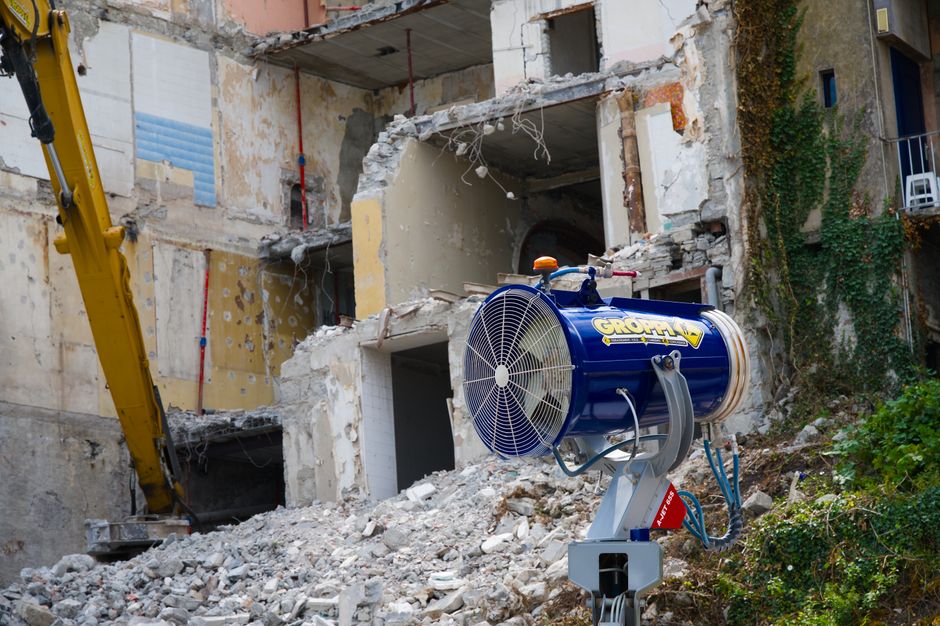
When you search for a demolition contractor in Springfield, you're usually looking for someone to handle more than just the big stuff. A demolition contractor tackles building teardowns, but what happens after the walls come down? That's where junk removal and debris hauling come in—and that's the part that can make or break your project timeline and budget.
Let's walk through what demolition contractors actually do, what services pair with demolition work, and how to find the right team for your Springfield property.
Related: Junk Be Gone Near Me: Find Local Junk Removal in Springfield
Related: Junk Camper Removal Near Me: Local Options & What to Expect
Related: Private Junk Removal Near Me: How to Find Local Help
Related: Haul Off Junk Near Me: Find Local Removal in Springfield, MO
Related: Pick Up Service: Fast Local Junk Removal in Springfield, MO
Related: Junk Collectors Near Me: How to Find Local Help
What Does a Demolition Contractor in Springfield Actually Do?
A demolition contractor specializes in the controlled removal and teardown of structures. This could mean a full house demolition, a partial interior teardown, or a commercial building removal. The work requires planning, permits, safety protocols, and heavy equipment.
But here's the thing: demolition is only half the battle. Once the structure comes down, you're left with debris, rubble, foundation materials, and all kinds of waste that needs to go somewhere. That's where the hauling and junk removal side of the job kicks in.
If you're managing a demolition project in Springfield, you want a contractor who understands both the demolition work and the cleanup that follows. Some demolition contractors handle the debris themselves, and some partner with junk removal specialists. Either way, the debris removal is not optional—it's part of getting your property ready for whatever comes next.
What Services Get Bundled With Demolition Work?
When you hire a demolition contractor, several additional services often come into play:
- Debris hauling - Removing and disposing of concrete, wood, metal, and mixed construction waste
- Junk removal - Taking out any personal items, appliances, or furniture left in the building before teardown
- Concrete removal and hauling - Breaking up and removing foundation slabs, driveways, or patios
- Tank removal - Safely extracting and disposing of old oil tanks, water tanks, or septic tanks
- Asbestos abatement - Professional assessment and safe removal of materials containing asbestos (required before demolition in many cases)
The more services a contractor can handle under one roof, the simpler your project becomes. You're not juggling multiple vendors or waiting for one crew to finish before the next one can start.
Why Junk Removal Matters When You're Planning Demolition
Here's what homeowners and property managers often overlook: the stuff inside the building before demolition begins. Old furniture, appliances, personal items, and other junk need to be removed safely and legally before the actual demolition work starts.
This is where Pack-Haul comes in handy. Whether you're clearing out a residential property before a teardown or removing commercial equipment before a building comes down, having a dedicated junk removal partner means the demolition contractor can focus on what they do best—bringing down the structure safely.
Like what you read?
Contact Us →
Some demolition contractors include pre-demolition junk removal in their quote. Others don't, and you'll need to hire that work separately. Always ask upfront what's included and what isn't.
How to Approach Your Demolition Project in Springfield

Here's a practical step-by-step process:
- Assess what needs to go. Walk through the property and identify structural items to be demolished versus personal junk and debris to be removed beforehand.
- Get permits. Demolition work in Springfield requires proper permits and inspections. Your contractor should handle this or at least guide you through it.
- Plan for asbestos testing. If the building was constructed before the 1980s, asbestos abatement may be required. This must happen before demolition begins.
- Schedule pre-demolition junk removal. Clear out furniture, appliances, and personal items first. This makes the actual demolition cleaner and faster.
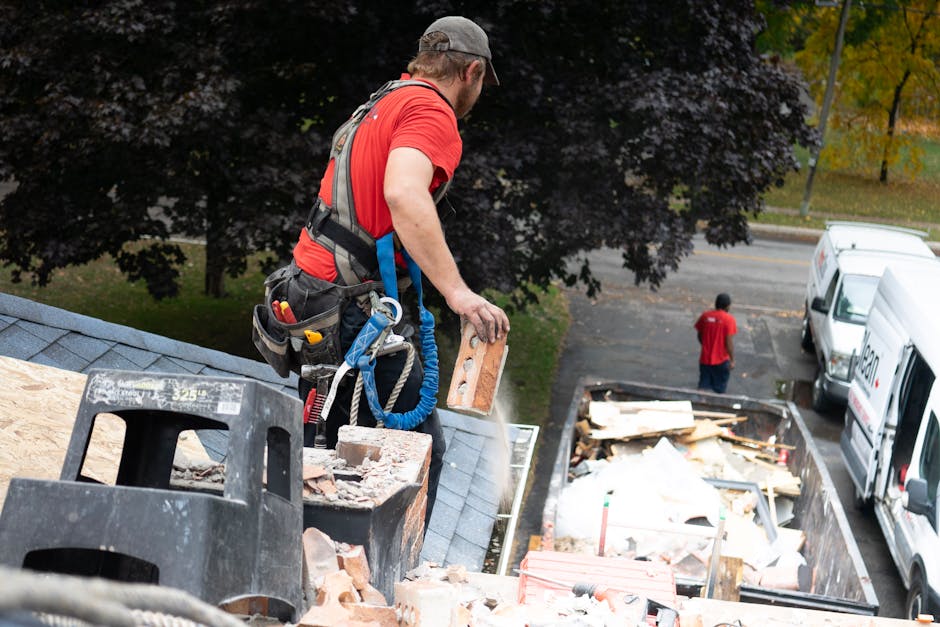
- Arrange debris hauling. Confirm how the contractor will handle concrete removal, metal salvage, and general construction debris.
- Get everything in writing. Your contract should spell out what's included, timelines, costs, and cleanup expectations.
Should You Use One Contractor or Multiple Vendors?
There's no single right answer, but here's how to think about it:
One contractor for everything: Simpler, faster, fewer communication headaches. You have one point of contact, one timeline, and one invoice. The downside is finding a contractor who genuinely handles both demolition and debris removal well.
Multiple contractors: You might save money by hiring a demolition specialist for the teardown and a separate junk removal service for the debris. But you're now coordinating schedules, managing multiple crews on your property, and potentially paying more overall in labor and coordination costs.
Most Springfield property owners find that working with one contractor who can handle demolition, junk removal, and debris hauling saves time and stress. That said, always get competitive quotes and compare what's actually included in each bid.
What Happens to the Debris After It's Removed?
Once your demolition contractor hauls the debris away, where does it go? That depends on what it is:
- Concrete and brick - Often recycled or used as fill material at landfills or recycling centers
- Metal - Salvaged and recycled; some contractors pull this out and resell it
- Wood - Can be chipped, burned, or sent to demolition waste facilities
- Mixed debris - Sorted and distributed to appropriate disposal or recycling facilities
A reputable contractor will handle all the logistics—permits, transportation, and proper disposal—so you don't have to think about it. That's part of what you're paying for.
Finding the Right Demolition Contractor in Springfield
When you're ready to move forward, here's what to look for:
- Local contractors with Springfield roots (they know the permitting process and local regulations)
- Clear breakdowns of what's included in the demolition versus what costs extra
- References or reviews from previous demolition projects
- Evidence they can handle pre-demolition junk removal or they have a trusted partner who can
- Transparent communication about timelines and potential complications
Don't just pick based on the lowest bid. A cheap quote that doesn't include debris hauling or cleanup could leave you scrambling later. Make sure you understand exactly what you're getting.
Combining Demolition With Other Cleanup Needs
Sometimes demolition is just one part of a larger cleanup project. Maybe you're clearing out an estate, removing old furniture and appliances, and then demolishing an outbuilding. Or you're managing a property turnover that involves junk removal before any construction work happens.
When you need both junk removal and demolition services, it helps to work with a team that understands both sides of the job. Pack-Haul can handle the junk removal side while your demolition contractor manages the structural work, or they can work together as a coordinated team depending on your needs.
Questions People Also Ask About Demolition Contractors in Springfield
Do I need a permit to hire a demolition contractor?
Yes. Any structural demolition work in Springfield requires proper permits from the city. This protects you, your neighbors, and ensures the work is done safely. Your contractor should include permit applications and inspections as part of their service. If they don't mention permits, that's a red flag.
How long does a demolition project typically take?
It depends on the size and complexity of the structure. A small shed might take a day or two. A full house demolition could take a week or more, especially when you factor in asbestos testing, debris removal, and any complications. Ask your contractor for a realistic timeline upfront.
What's the difference between a demolition contractor and a junk removal service?
A demolition contractor focuses on bringing down structures and handling the heavy debris from that work. A junk removal service handles furniture, appliances, personal items, and other non-structural waste. Many properties need both—usually junk removal first to clear the interior, then demolition for the structure itself. Some demolition contractors offer both services or can recommend a reliable partner.
Can I salvage anything from a demolition project?
Sometimes. Metal, wood beams, doors, and other materials might be salvageable depending on their condition. Talk to your contractor about what can be pulled out before demolition or separated during the process. Some contractors partner with salvage companies. Just don't assume everything is recyclable—many mixed construction materials end up in landfills.
Like what you read?
Contact Us →