
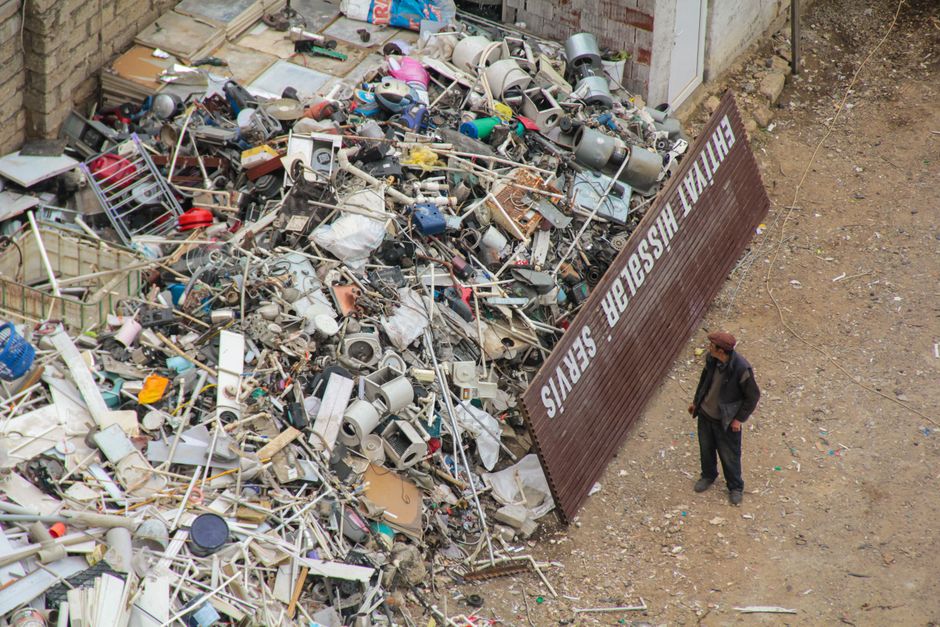
Removing junk doesn't have to be overwhelming. Whether you're decluttering a bedroom, clearing out a garage, or tackling an entire estate, the process works the same: assess what you have, decide what stays, and get rid of the rest. Here's how to do it efficiently and get your space back.
Start by Sorting Everything Into Categories
Before you remove anything, you need to know what you're working with. Walk through the area and mentally (or literally) group items into piles: keep, donate, sell, recycle, and trash.
Be honest about what you actually use. If you haven't touched something in a year and it doesn't make you happy, it's junk. That broken lamp, the extra kitchen gadget you never use, the clothes that don't fit anymore—those are the first things to go.
Don't overthink this step. You're just organizing so you can see the full scope of removing junk from your space.
Decide How to Handle Each Category
Once you've sorted, it's time to plan the removal method for each pile.
Related: Junk Removal and Moving Services: Complete Guide
Related: Home Junk Removal in Springfield, MO: A Complete Guide
Related: Property Management Junk Removal: A Complete Guide
Related: Whole House Junk Removal Springfield MO: Complete Guide
Related: Garage Clean Out: Step-by-Step Guide for Springfield
Related: What Does a Junk Removal Specialist Do? A Springfield Guide
Keep items: These stay put. Store them neatly in the space you're clearing.
Donate items: Gently used furniture, clothes, books, and household goods can go to local charities, shelters, or donation centers. Many places offer free pickup for large donations like furniture pickup, so check before you assume you have to haul it yourself.
Sell items: Electronics, tools, sporting equipment, and furniture with resale value can be listed online. This takes more time but puts money back in your pocket.
Recycle items: Electronics, metals, plastics, and paper have recycling options. Some items require special handling (like old refrigerators or computers), so confirm what your local facilities accept.
Trash items: Broken, stained, or unusable items go here. This is where professional removal helps—when you have more than your regular trash pickup can handle.
Handle Heavy or Bulky Items Carefully
Furniture, appliances, and large debris are the hardest to move yourself. Lifting a sofa or refrigerator wrong can hurt your back, and trying to fit them in your car or truck is a nightmare.
This is where professional junk removal makes sense. A team can handle the heavy lifting, load everything safely, and haul it away in one trip. You save your back and your time.
If you're moving and need to relocate items to storage or a new place, that's another job best left to pros who have the equipment and truck space.
Like what you read?
Contact Us →Set a Timeline and Work in Sections

Don't try to remove junk from your entire house in one day. Break it into manageable sections: one bedroom this weekend, the garage the next, the basement the week after.
Give yourself deadlines. "I'll finish the kitchen by Friday" feels way more doable than "I need to clean the whole house eventually."
Small, focused efforts add up faster than you'd think. Plus, you won't burn out halfway through.
Arrange Pickup or Haul-Away Services
Once you've sorted and organized, schedule removal for the items that need professional help. Most junk removal companies can book same-day or next-day service, so you don't have to wait around.
You can usually send a photo of what needs removing, and they'll give you a quote upfront. No surprises. No haggling.
When you're removing junk from a large space like an attic, estate, or commercial property, professional help is almost always worth it. The crew handles sorting, loading, and hauling responsibly—many items get donated, recycled, or disposed of properly instead of ending up in a landfill.
Know What to Do With Specific Items
Old appliances: Refrigerators, washers, and air conditioners often require proper handling for refrigerants or hazardous materials. Don't throw them on the curb.
Electronics: Donate working items or take them to an electronics recycler. Broken devices need special disposal.
Mattresses and box springs: Most curbside pickup won't take these. They're bulky and hard to transport, so junk removal services are perfect for them.
Construction debris: Drywall, wood, roofing materials, and concrete need specialized hauling and disposal.
Yard waste: Branches, leaves, and soil can sometimes go in regular compost, but large amounts need professional removal.
Keep Your Space Clean Afterward
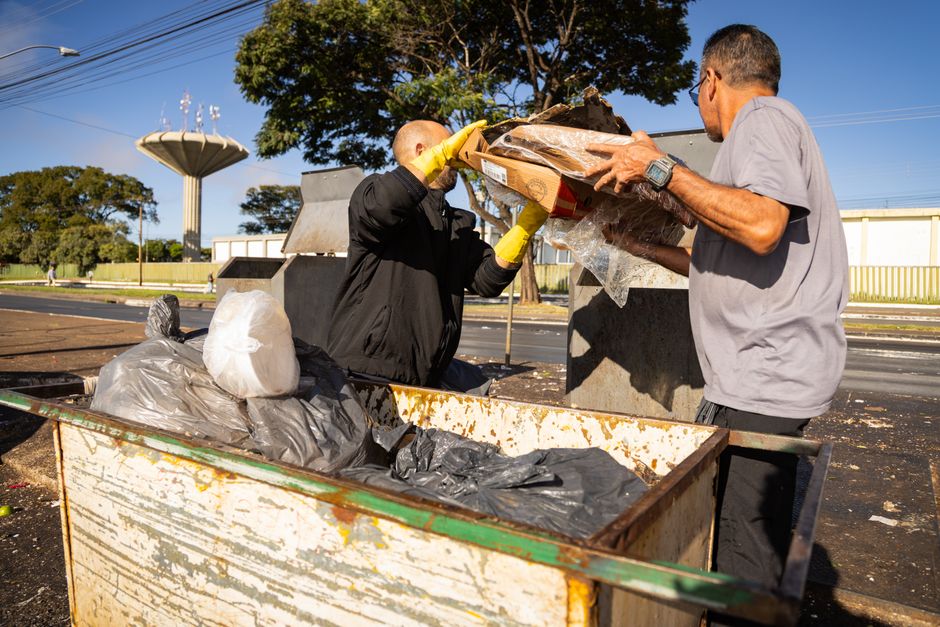
After removing junk, take time to organize what's left. Use storage bins, shelves, or cabinets to prevent clutter from building back up.
The easier it is to find and access things you actually use, the less likely you are to accumulate junk again.
When to Call a Professional
You can handle small decluttering projects solo. But removing junk becomes a job for professionals when you're dealing with:
- Heavy furniture or appliances
- Large quantities of items (entire rooms or estates)
- Hazardous materials or specialized items
- Time constraints (you need it done today or this weekend)
- Physical limitations (you can't lift or haul heavy stuff)
- Commercial or rental property cleanouts
A local junk removal company can save you enormous time and effort. They handle the dirty, heavy work so you can focus on the decisions.
What items can you donate instead of throwing away?
Most furniture, clothing, books, dishes, decorations, and working electronics can be donated. Charities like Goodwill, Salvation Army, and local shelters accept these items and often offer free pickup for larger donations. Check with local nonprofits too—they sometimes specialize in specific categories like furniture or building materials.
How long does it usually take to remove junk from a house?
It depends on the size and amount of stuff. A single room might take a weekend. A full house or estate could take weeks if you're doing it solo, or just a few hours if you hire professionals. Breaking it into sections makes it feel less overwhelming.
Can you really recycle old furniture?
Yes, if it's in decent condition. Many furniture banks, shelters, and nonprofits accept gently used pieces. Even broken furniture can sometimes be upcycled or salvaged for parts. Call ahead to ask what they accept before you haul it over.
What's the difference between junk removal and trash collection?
Trash collection (or waste management) picks up garbage and recyclables on a regular schedule from your curb. Junk removal is a one-time service for large items, bulk stuff, or entire cleanouts. One is recurring; the other is as-needed.
Like what you read?
Contact Us →