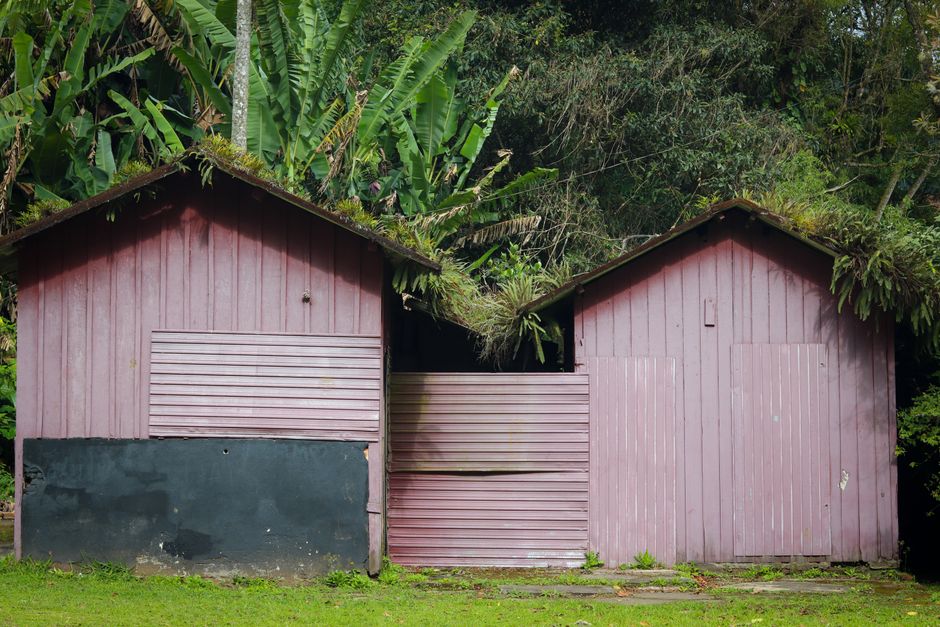
A shed cleanout doesn't have to be a weekend-long headache. Whether you're dealing with years of accumulated tools, old equipment, yard waste, or just random junk that's taken over your storage space, there's a straightforward way to tackle it.
The best approach to a shed cleanout depends on what you're keeping versus what you're tossing. You can do it yourself piece by piece, hire help to speed things up, or bring in professionals to haul everything away at once. Let's break down your options so you can pick the one that actually fits your life.
Step 1: Decide What Stays and What Goes
Before you touch anything, walk into your shed and honestly assess every item. This is the most important step because it saves you time and money later.
Ask yourself these questions about each item:
- Have I used this in the last year?
- Does it work, or is it broken beyond repair?
- Do I have duplicate versions of this already?
- Is this something I'm actually keeping for a reason, or just "just in case"?
Be ruthless. Most people keep things out of guilt or vague plans that never happen. If you haven't touched it in 12 months, it's probably safe to let it go.
Separate items into three piles: keep, donate, and trash. This sorting step makes the actual removal process way faster and cleaner.
Related: Best Shed Removal in Springfield, MO – Fast & Affordable
Related: Best Fence Removal in Springfield, MO – Fast & Affordable
Related: Best Apartment Cleanout in Springfield, MO
Related: Office Cleanout Guide: How to Clear Your Workspace Fast
Related: Garage Cleanout: Step-by-Step Guide to Clear Your Space
Related: Best Eviction Cleanout Service in Springfield, MO
Related: Eviction Junk Removal Springfield MO: Fast Cleanout Guide
Related: Property Cleanout Republic MO: Complete Guide to Fast Removal
Related: Best Real Estate Cleanout in Springfield, MO
Related: Best Boat Removal in Springfield, MO | Fast & Affordable
Step 2: Organize Items for Removal
Once you've decided what's leaving, group similar items together. This matters because different things get handled differently.
- Recyclables: Metal, wood, cardboard, and other materials that can be recycled
- Donations: Tools, furniture, and equipment still in working condition
- Hazardous: Paint, chemicals, batteries, or anything toxic
- General junk: Broken stuff, unusable items, yard debris
Hazardous materials especially need careful handling. Never just throw paint cans or chemical containers in a regular trash pile. Check with your local Springfield recycling center for proper disposal options, or ask a professional service what they can handle.
Step 3: Choose Your Removal Method
This is where you decide: DIY or professional help.
Going solo: If you've got a truck, strong friends, and a full afternoon (or two), you can haul stuff yourself to local donation centers or disposal facilities. It's free, but it's also physically demanding and takes serious time commitment.
Getting help: This is where Pack-Haul comes in. Instead of spending your weekend lifting heavy appliances or making five trips to different drop-off locations, professionals can clear your entire shed in hours. Same-day service means you could call in the morning and have your shed empty by evening. No sorting through hazardous materials yourself, no figuring out where things go — the crew handles it all.
Like what you read?
Contact Us →
Professional shed cleanout services typically charge based on the volume of stuff and what you're removing. You get an upfront price before work starts, so there are no surprises.
Step 4: Prepare the Space

Before removal day (whether you're doing it yourself or hiring help), clear a path to the shed door. Move cars, bikes, or anything blocking access. The faster the crew can work, the faster you're done.
If you're hiring professionals, take a quick photo or video of the shed interior and text it to them. This helps them show up with the right equipment and give you an accurate estimate. Pack-Haul makes this easy — just snap a pic and send it their way.
Step 5: Handle Special Items Carefully
Some things need extra attention during shed cleanouts.
- Old appliances: Refrigerators, freezers, or air conditioning units often contain refrigerant and need special handling. Professionals are licensed to remove these safely.
- Chemicals and paint: Never pour these down drains or throw them in regular trash. Most communities have hazardous waste collection days or facilities.
- Metal and wood: These are often recyclable, so separating them makes sense if recycling is important to you.
- Electronics: Old power tools, broken equipment, or e-waste should go to e-waste recycling, not landfills.
According to the U.S. Environmental Protection Agency (EPA), electronic waste contains hazardous materials that can contaminate soil and water if disposed improperly. Proper e-waste recycling protects your community and recovers valuable materials.
Step 6: Clean the Empty Shed
After everything's gone, give the shed a quick sweep and wipe-down. This is your chance to start fresh.
Look for:
- Spider webs and nests (get those out)
- Dust and dirt on shelves and corners
- Any leftover scraps or debris
- Signs of pests or moisture damage
If you notice water damage, mold, or rodent issues, tackle those before you start storing new things. A clean shed is the foundation for keeping it organized going forward.
Step 7: Prevent Future Clutter Buildup
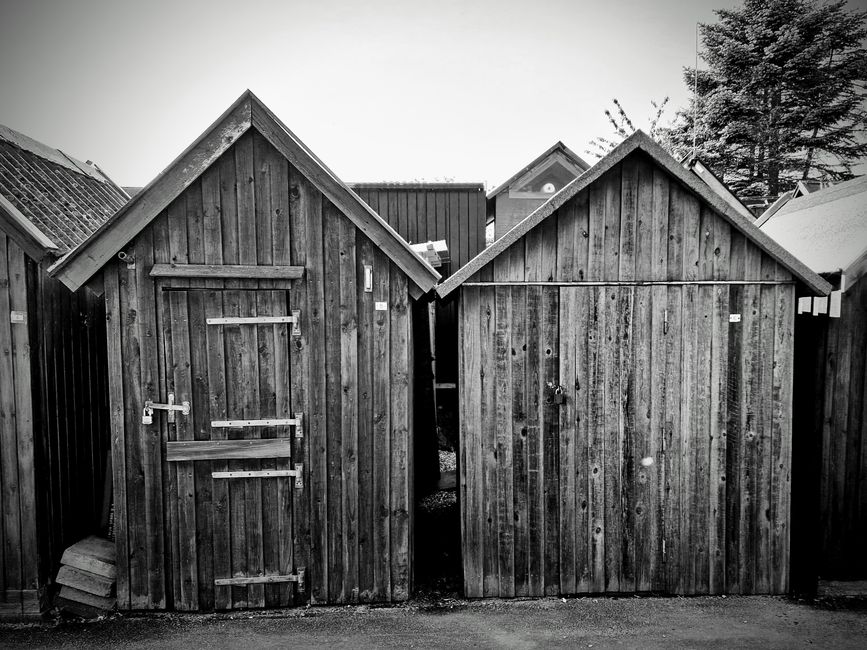
Now that your shed is clean and organized, keep it that way. A few simple habits make a huge difference.
- Before bringing anything new into the shed, ask if you'll actually use it
- Label shelves and storage areas so everything has a home
- Do a quick 15-minute shed sweep every season to catch clutter before it piles up
- Donate items as soon as you know you're not using them, rather than letting them sit
The goal is to avoid needing another massive cleanout in five years. Small maintenance is way easier than emergency clutter removal.
When to Call in Professionals for Shed Cleanout
You might be thinking, "Can't I just do this myself?" Sure — but there are solid reasons to bring in a professional team instead.
Call professionals if:
- Your shed is completely packed and you don't have time to sort through everything
- You've got heavy items like old appliances, landscaping equipment, or heavy furniture
- You need it done same-day or within 24 hours
- You're not sure how to safely dispose of hazardous materials
- Your back or health makes heavy lifting risky
- You're managing a rental property or commercial space with a quick turnaround
Pack-Haul provides professional shed cleanout services in the Springfield area with background-checked, insured staff. You get upfront pricing, same-day service available, and no hidden fees. The crew loads everything, hauls it away, and disposes of it properly — all you do is point and say what goes.
Shed Cleanout Pricing and What to Expect
Professional shed cleanout pricing typically depends on:
- How much stuff is in the shed (volume)
- What types of items need removal (hazardous materials cost more)
- How easy or hard it is to access the shed
- Whether you want the shed cleaned after removal
Most companies offer free estimates before starting work. Some will come out and assess in person, while others ask you to send photos. Honest pricing means you know the full cost upfront — no surprises when the invoice comes.
On average, a small residential shed cleanout (think garden tools and light junk) might run a few hundred dollars. A large cleanout with appliances and heavy equipment could be higher. It depends on your specific situation, which is why getting a quote is the first real step.
How Do I Know If a Shed Cleanout Service Is Reliable?
Look for companies that are locally owned, insured, and background-checked. Read reviews from other homeowners in your area. Good shed cleanout services will give you a free estimate, honor their pricing, show up on time, and be friendly to work with. Avoid fly-by-night operations that demand cash upfront or won't give you a written quote.
Can I Donate Items Instead of Throwing Them Away?
Absolutely. If your shed has tools, equipment, or furniture in working condition, local nonprofits, schools, or community organizations might want them. Many charities will even pick up donations from your home. This keeps stuff out of landfills and helps your community. Just sort donations before removal day so the crew knows what's staying versus what's leaving.
What Happens to My Stuff After It's Hauled Away?
Professional junk removal companies sort items when they arrive at their facility. Recyclables go to recycling centers, donations go to charities or resale shops, hazardous materials go to proper facilities, and general junk goes to the landfill. Everything gets handled according to local regulations. You don't need to worry about where things end up — that's the company's job.
Do I Need to Empty My Shed Completely, or Can I Keep Some Things?
It's totally up to you. A shed cleanout can mean removing everything and starting fresh, or it can mean clearing out junk while keeping tools and equipment you actually use. Tell the crew what stays and what goes, and they'll handle the rest. Many people do a partial cleanout to get rid of clutter while keeping useful items organized.
Like what you read?
Contact Us →