
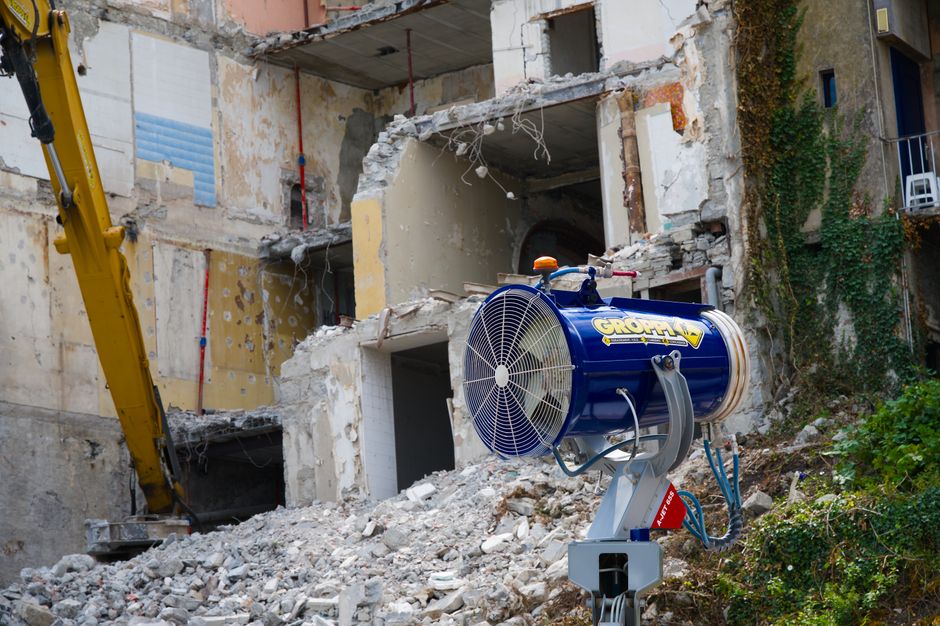
Small demolition sounds intimidating, but it's really just controlled teardown work on a limited scale—think removing a wall, gutting a bathroom, or clearing out built-ins before a renovation. The good news? You don't always need a full-scale construction crew to get it done.
Whether you're prepping for a remodel, cleaning out a space, or handling debris removal after a project, understanding the scope and cost of small demolition helps you decide: hire a pro or tackle it yourself. Let's break it down.
What Counts as Small Demolition?
Small demolition typically covers interior teardown work on residential or commercial properties. Common projects include:
- Removing drywall, plaster, or paneling
- Tearing out cabinets, shelving, or built-in units
- Demo work on bathrooms, kitchens, or basements
- Removing doors, frames, and trim
- Light structural removal (non-load-bearing walls)
- Debris hauling and site cleanup after demo
The key word is "light"—you're not demolishing entire buildings or load-bearing structures. You're removing finishes, fixtures, and non-structural elements to prep a space for renovation or clearance.
Cost Range for Small Demolition Projects
Professional small demolition typically runs between $2 to $8 per square foot, depending on complexity. For an average residential project (500-2,500 square feet), you're looking at $1,000 to $5,000 in demolition costs alone, plus hauling and debris removal.
What affects the price?
- Scope (how much material you're removing)
- Material type (drywall is cheaper than concrete or tile)
- Hazmat concerns (asbestos, lead paint, mold increase costs)
- Site access and cleanup requirements
- Whether debris removal and hauling are included
If you need both demo work and hauling, bundling services often saves money. Pack-Haul handles light demolition and debris removal as a combined service, which simplifies the process and keeps costs predictable.
DIY Small Demolition: When You Can Do It Yourself
Smaller projects—like removing non-structural trim, cabinets, or drywall in a single room—are totally doable for homeowners willing to put in elbow grease.
DIY projects that work:
- Removing interior doors and frames
- Tearing out old cabinets or shelving
- Demo-ing drywall in non-structural areas
- Removing flooring, tile, or carpet
- Pulling out plumbing fixtures (non-connected)
You'll need:
- Basic tools (hammer, pry bar, reciprocating saw, safety gear)
- Heavy-duty trash bags or a plan for debris removal
- Time (small projects take longer than you think)
- Physical stamina and patience
The catch: Even "small" demo creates tons of debris. Most homeowners underestimate the volume of waste—drywall dust, broken fixtures, nails, and broken materials pile up fast. This is where many DIYers call in help, especially for debris hauling.
When You Need Professional Help

Hire a pro if your project involves:
- Load-bearing walls or structural elements (requires engineering and permits)
- Asbestos, lead paint, or mold (hazmat specialists only)
- Plumbing or electrical work still connected
- Multiple rooms or large-scale teardown
- Commercial properties (building codes and liability)
- You lack time, tools, or physical ability
Professional demolition crews handle the work faster, cleaner, and safely—plus they manage all debris removal and site cleanup. If you're unsure whether your project qualifies as "small" or "structural," ask before you swing a sledgehammer.
Small Demolition Plus Debris Removal
Here's the truth: demo and hauling go hand-in-hand. Even if you do the teardown yourself, you still need to get all that stuff out of your space.
Professional services that bundle demo with debris removal save you multiple trips to the landfill and eliminate the hassle of renting equipment. Many local companies offer comprehensive packages that include light demolition, hauling, and cleanup—exactly what homeowners in Springfield need when tackling renovations or property cleanouts.
Related: Hauling in Springfield MO: Your Complete Local Guide
Related: Property Management Junk Removal: A Complete Guide
Related: What Do Junk Removers Do? A Complete Guide
Related: Foreclosure Cleanout: A Complete Guide for Springfield MO
Related: Retail Store Cleanout: Complete Guide for Springfield MO
Related: How to Junk Away Clutter: A Complete Removal Guide
Related: Small Moving: Your Local Springfield Guide to Easy Relocations
Related: How to Remove Junk: Step-by-Step Guide for Springfield, MO
If you're planning a project that combines demo work with furniture removal, appliance hauling, or general cleanout, Pack-Haul's light demolition and hauling services can handle the whole job in one appointment.
Like what you read?
Contact Us →Safety Rules for Small Demolition
Before you start any teardown work—DIY or professional—here are non-negotiable safety steps:
- Turn off utilities: Shut down electricity, water, and gas to the area if you're near fixtures or lines.
- Wear PPE: Dust mask or respirator, safety glasses, heavy gloves, and steel-toed boots are essentials. The CDC recommends N95 or higher respirators for demolition dust exposure.
- Check for hazards: Have the space tested for asbestos, lead, or mold if the building is pre-1980s.
- Secure the area: Keep bystanders and kids away from active demo zones.
- Use proper tools: Don't improvise—use the right saw, pry bar, or breaker for the job.
- Know the code: Some demolition requires permits and inspections. Ask your local building department.
Do You Need a Permit for Small Demolition?
Short answer: Often yes, even for "small" projects.
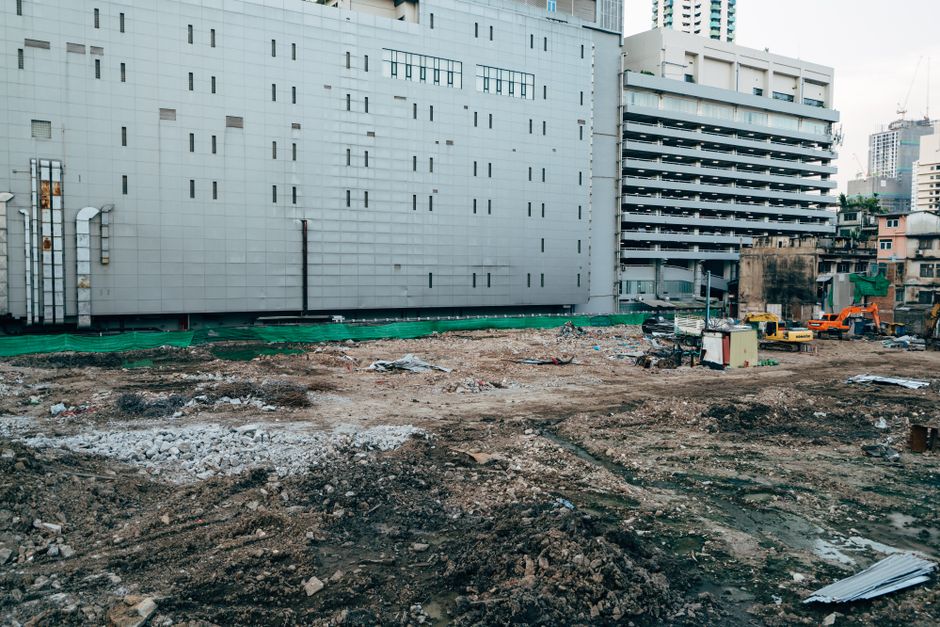
Most municipalities require demolition permits when you're removing structural elements, altering a building's footprint, or working near utilities. Unpermitted demolition can trigger fines, stop work orders, or issues when you sell or refinance your home.
Interior cosmetic demo (removing trim, cabinets, flooring) sometimes skips the permit requirement, but call your local building inspector to confirm. It takes five minutes and saves headaches later.
After the Demo: What's Next?
Once teardown is finished, you're left with space and debris. This is where the real work begins for most homeowners.
If you're prepping for renovation, you'll need contractors lined up for the rebuild phase. If you're doing a cleanout (estate, garage, or property turnover), your next step is hauling everything away responsibly.
This is also a good time to think about what's salvageable. Some materials—wood, fixtures, appliances—can be donated or resold rather than sent to the landfill. If you're managing a large cleanout alongside demo work, professional services that handle both junk removal and hauling make sense.
Small Demolition in Your Springfield Home: Get Help Fast
If your small demolition project also involves furniture removal, appliance hauling, or full-space cleanout, you don't need to hire three different services. Pack-Haul provides same-day light demolition, debris hauling, and cleanout services for Springfield homeowners and businesses.
Whether you're handling the demo yourself and need hauling support, or you want professionals to manage the whole project, text a photo of your space and get a fast quote. No obligation, no corporate runaround—just straightforward service from local owners.
People Also Ask
How much does small demolition cost per square foot?
Professional small demolition typically costs $2 to $8 per square foot, depending on material type, complexity, and whether debris removal is included. A 1,000-square-foot interior demo project usually ranges from $2,000 to $8,000. Get a quote based on your specific scope to know the exact cost.
Can you demolish a wall yourself?
You can remove non-load-bearing interior walls yourself if you have basic tools and don't mind the work. Load-bearing walls require an engineer's plan and professional removal. Before swinging anything, confirm the wall isn't structural—call a contractor or your local building department to verify.
What do you do with demolition debris?
Most demolition debris (drywall, wood, concrete, fixtures) goes to landfills or demolition debris recycling facilities. Professional demolition crews haul it away as part of the job. If you DIY the demo, you'll need to arrange pickup or rent a dumpster—or hire a junk removal service to haul it for you.
Is asbestos testing required before demolition?
Yes, if your building was constructed before the 1980s. Asbestos is extremely hazardous and requires certified professionals to remove and dispose of safely. Disturbing asbestos-containing materials without proper procedure is illegal. Always test first.
Like what you read?
Contact Us →